
P2X
Sketching paths to a sustainable PtX economy
Power-to-X (PtX) is considered a key enabler of the Energy Transition. Its technologies are essential both for sector coupling and for defossilising sectors that are difficult to electrify directly. P2X’s subproject „Location Analysis and Evaluation“ explores where and how this can be achieved in a socio-economically and ecologically sound way. For this it analysed different locations in Germany, Chile and South Africa.
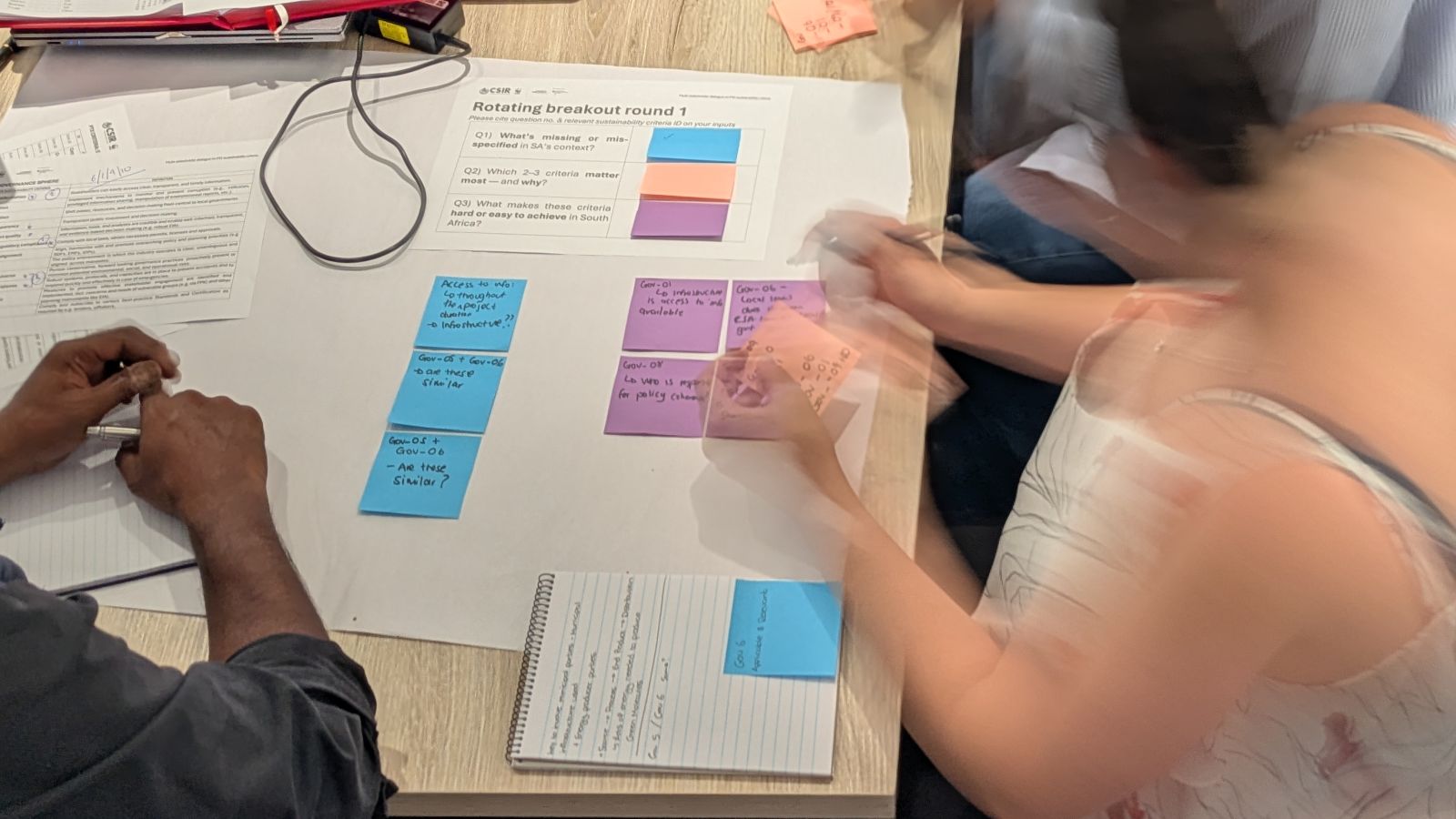
The global Energy Transition is gathering pace, driven by the expansion of renewable energy. Yet direct electrification remains difficult in some sectors, such as the chemical industry, steel production, cargo shipping and aviation. Here, PtX technologies can play a vital role by enabling the climate-friendly production of fuels such as e-kerosene. Furthermore, PtX products can connect the sectors electricity, heating, transport and industry. This leads to an increase in resilience and flexibility – for example by substituting fossil fuels in power plants or by storing and transforming excess renewable energy. Regulatory uncertainty, high production costs and the limited availability of additional renewable electricity or grid infrastructure slow developments, nevertheless. Missing international regulation also increases the risk of unsustainable PtX products – for example by neglecting other development goals in large-scale projects abroad.
„Power-to-X“ (PtX) is an umbrella term for technologies that use electricity („power“) to produce a wide range of substances („X“), primarily energy-rich molecules with industrial value. For climate benefits, electricity must come from renewable sources such as wind and solar power. Other ressouces, such as water and sometimes even CO2 are also required as a feedstock. They too need to be sourced sustainably to enable the production of fuels and chemical feedstocks production without relying on fossil resources.
Within the Kopernikus Project P2X, the „Location Analysis and Evaluation“ subproject investigates the transition towards a sustainable and socially accepted PtX economy in terms of technological, economic, environmental and social perspectives. The project partners have analysed potential production sites for ammonia, kerosene and methanol in Germany as well as in partner countries Chile and South Africa. In addition, results from national and international analyses, stakeholder surveys and workshops are taken into account to develop sustainability and social acceptance criteria for PtX production and international trade.
How P2X identifies ways to a sustainable PtX economy
1. Comparing site concepts from environmental and economic perspectives
Researchers from OTH Regensburg and Provadis University of Applied Sciences assess potential PtX production sites using life-cycle assessments and techno-economic analyses. They distinguish between two types of locations:
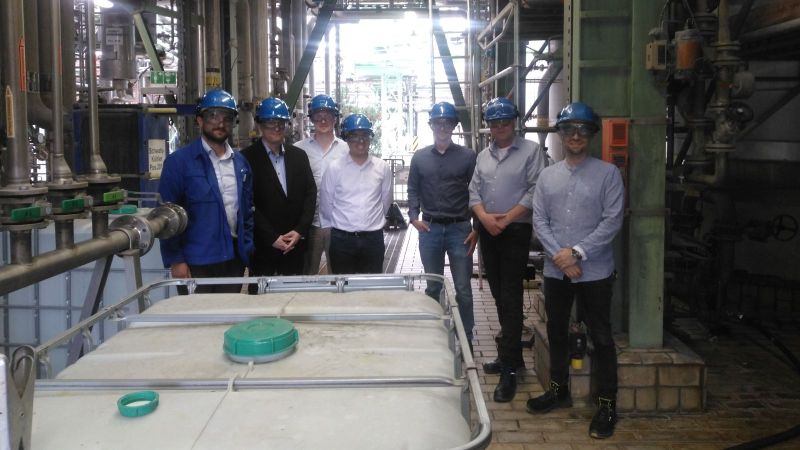
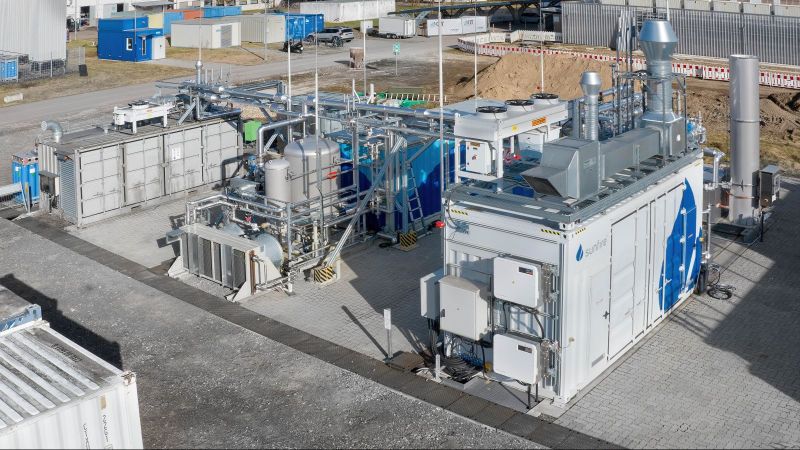
- Brownfield sites already have existing infrastructure. A future PtX plant can therefore be integrated into established industrial systems, making use of existing electricity grids, gas connections or other infrastructure rather than requiring entirely new facilities. Large integrated chemical sites are a typical example. The Power2Fuels pilot plant in Frankfurt-Höchst is one example for a brownfield project. The plant produces synthetic aviation fuels within an existing industrial complex.
- Greenfield sites, by contrast, are developed from scratch and are not constrained by existing infrastructure. This allows site selection to focus on locations with excellent renewable energy resources, particularly wind and solar power. However, such sites are often remote, this makes grid connections more challenging. During periods of low renewable generation, they cannot simply draw additional electricity from the grid. They also require substantial investments in new infrastructure, such as pipelines or additional production or refining facilities.
2. Social acceptance: Building a PtX economy with public support
The energy transition depends on broad public support. Many of the measures required affect people's everyday lives, whether through new wind farms, electricity infrastructure or changes to heating systems and transport. The more transparent these developments are, and the more opportunities people have to participate in decision-making, the easier it becomes to resolve potential conflicts. For this reason, the „Location Analysis and Evaluation“ subproject also examines how a socially embedded PtX economy is achieved. IZES (see above) investigates the perspectives of different societal stakeholders.
At the international level, researchers analyse public perceptions and policy debates in potential exporting countries through interviews and media analyses. This examination includes, for example, how hydrogen production and exports to Europe are viewed in Chile and South Africa. Within Germany, representative panel surveys measure public attitudes towards PtX technologies and identify the key drivers of social acceptance. These findings are complemented by regional media analyses and interviews with local stakeholders in areas where pilot plants have been established. Initial results indicate that positive visions for the future, regional economic value creation, and debates around electricity prices and costs are among the dominant themes in media coverage.
Drawing on these comprehensive analyses, IZES is developing a set of indicators for successful public engagement. These indicators are intended to support future communication and participation strategies, as well as planning processes for PtX projects.
3. Sustainability and international trade in PtX products: Publications for practical insight and guidances
Alongside ecological and economic viability, the subproject places a strong emphasis on the sustainable international trade of PtX products. In addition to the great opportunities, a PtX economy can pose risks. Extensive infrastructure alongside the production may lead to land-use conflicts, put pressure on ecosystems and restrict other forms of economic activity, such as tourism.
Sustainability criteria create transparent and comparable standards that make the environmental, social and economic impacts of PtX production measurable and verifiable, for example through certification schemes. Global supply chains will inevitably play a central role in the PtX economy. Internationally harmonised criteria would enable exporting and producing countries, such as Chile and South Africa, to assess, communicate and continuously improve the impacts of their products.
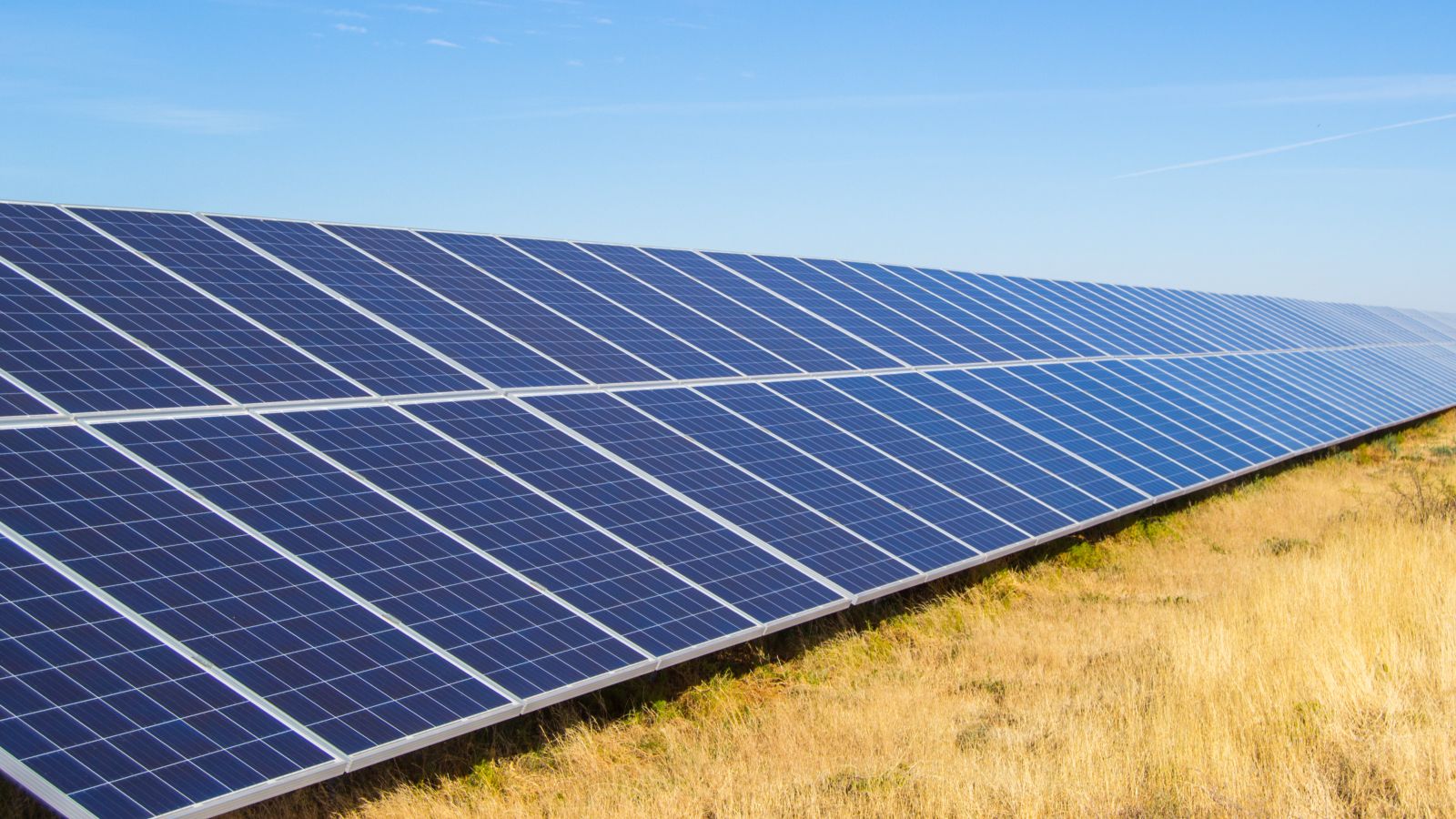
As part of the P2X subproject „Location Analysis and Evaluation“ WWF Germany, DECHEMA, the International PtX Hub and the Institute for Future Energy and Material Flow Systems (IZES) with their local partners Centro de Energía in Chile and Council for Scientific and Industrial Research (CSIR) in South Africa, have worked on practical sustainability criteria.
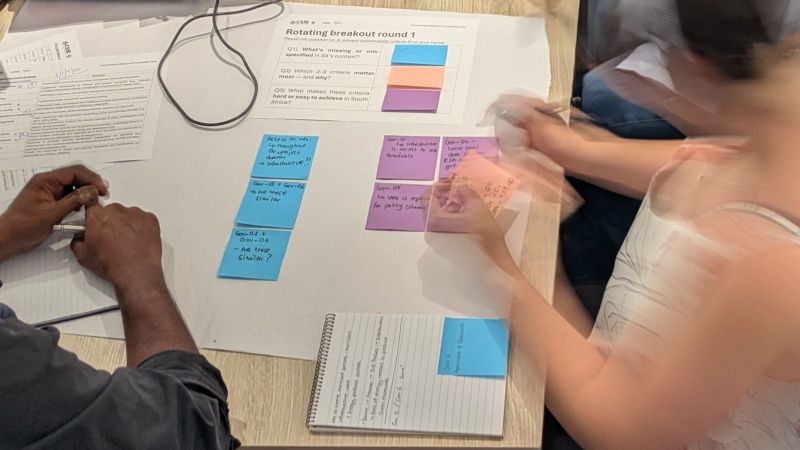
The key challenge was to strike the right balance. The project's analyses show that sustainability requirements must be stringent enough to ensure meaningful outcomes while also being applicable for a broad range of stakeholders. These include representatives from industry, government, financial institutions, academia and civil society. The stakeholder perspectives are incorporated through international surveys, interviews, focus group discussions and in-depth analyses in South Africa and Chile.
These international insights as well as conceptual foundations and practical applications for sustainability criteria are consolidated and published. The resulting publication series enables policymakers, project developers and other stakeholders to gain a comprehensive understanding of the complex interactions to shape sustainable international PtX value chains. Ultimately, the publications provide an evidence base for future regulation, standardisation and project design.
Please note: The publications are being released on a rolling basis. The overview on the right-hand side indicates which reports are already available. Here you find seven boxes introducing the publications in more detail with another option for download.
The report provides an introduction to current debate on sustainability criteria for global PtX markets. It highlights the opportunities and challenges involved in implementation and demonstrates the importance of involving all stakeholders. Key challenge ist striking a balance between a resilient sustainability framework and the conditions necessary for a successful commercial roll-out.
Part one of a seven-part series – all publications are available in English:
This report highlights how PtX projects can be designed to be socially sustainable by involving local communities. A significant finding is that understanding and engaging with local and indigenous communities is critically important. In addition, the report outlines models for long-term engagement and local value creation.
Part two of the seven-part series – all publications are available in English:
This study shows that different stakeholder groups have different understandings of sustainability in the context of PtX and identifies both common ground and differing perspectives among governments, industry, financial actors, academia and civil society. For example, there is broad agreement that local communities affected by the planning of production facilities should be actively involved in decision-making. Based on these findings, the study outlines the rules, governance structures and certification schemes needed to organise, manage and monitor the sustainability of PtX products.
Part three of this seven-part series – all publications are available in English:
coming soon!
This country study explores the sustainability debate surrounding the production of PtX products in Chile. It examines how the country’s national hydrogen strategy relates to realities on the ground and highlights key sustainability considerations at regional level. These considerations point to opportunities for PtX to support sustainable industrialisation in Chile. To this end, the P2X partners worked with the local partner Centro de Energía to analyse national strategies as well as local environmental and resource-related issues.
Part four of the seven-part series – all publications are available in English:
coming soon!
A further study, this time focusing on South Africa, explores the sustainability debate and different perspectives on PtX in the country. It highlights South Africa’s key priorities, which reflect the challenges the country faces in terms of energy policy, the environment and the economy.
Part five of the seven-part series – all publications are available in English:
coming soon!
This report examines water as a key environmental consideration in PtX production. Focusing on southern Chile, it highlights potential conflicts over water use and analyses the relevant regulatory framework. The findings show that, to ensure the sustainable production of PtX products, water requirements and wastewater treatment must be considered from the very outset of project planning.
Part six of the seven-part series – all publications are available in English:
The final report provides practical guidance for project development. It aims to help those responsible systematically assess sustainability risks, opportunities and relevant criteria from the earliest stages of a project. This approach is underpinned by a specially developed sustainability matrix and the „PtX Sustainability Checklist“, which provides project developers with a comprehensive set of sustainability criteria.
Part seven of the seven-part series – all publications are available in English:
coming soon!